Gleaning and Repurposing Food:
How we combat food waste and reclaim societal power
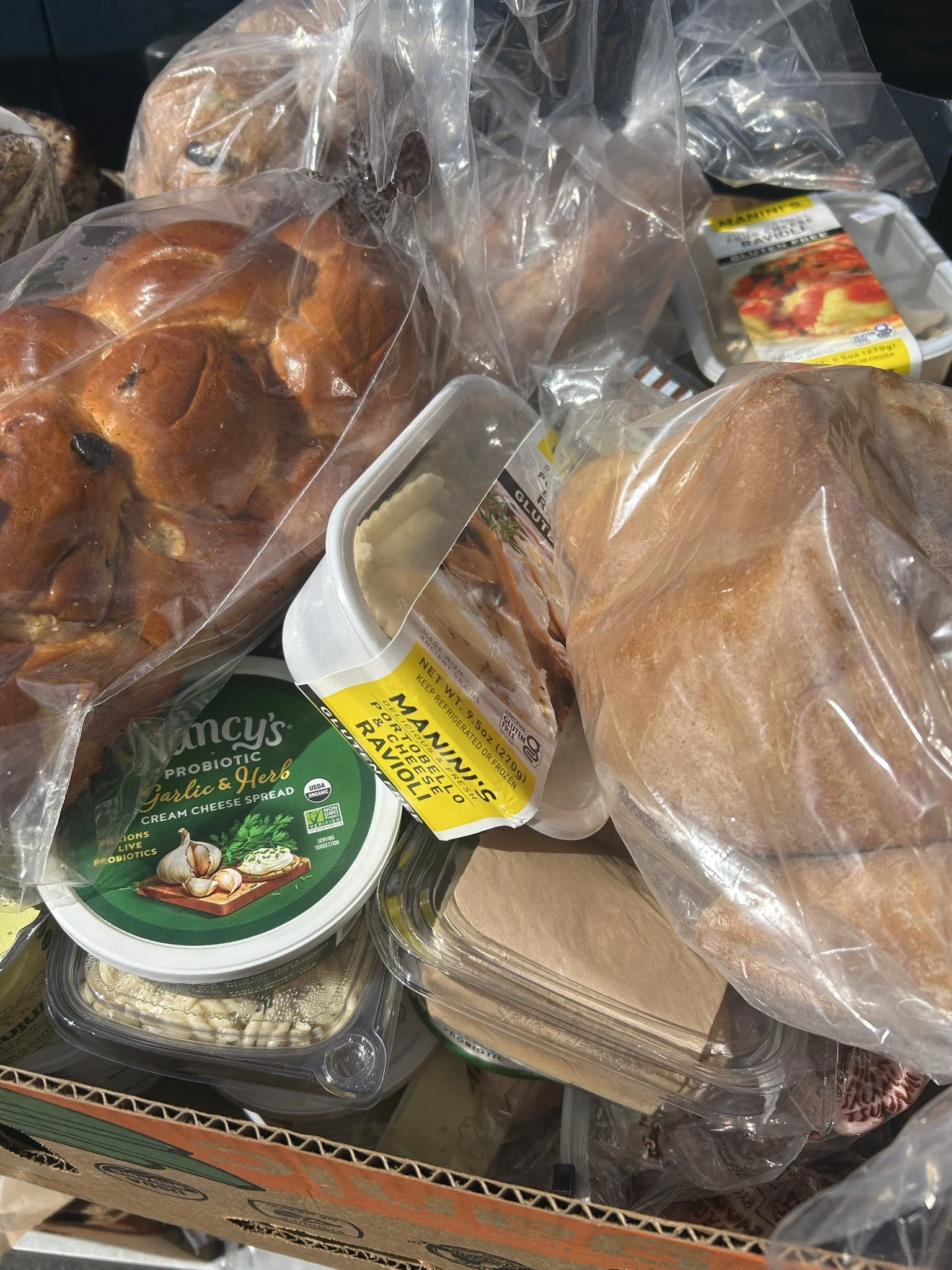
Gleaning is when folks collect still fresh but unused remainders from anywhere that makes or procures food. For us, that includes grocery stores, local bakeries and other businesses, and even other food pantries.
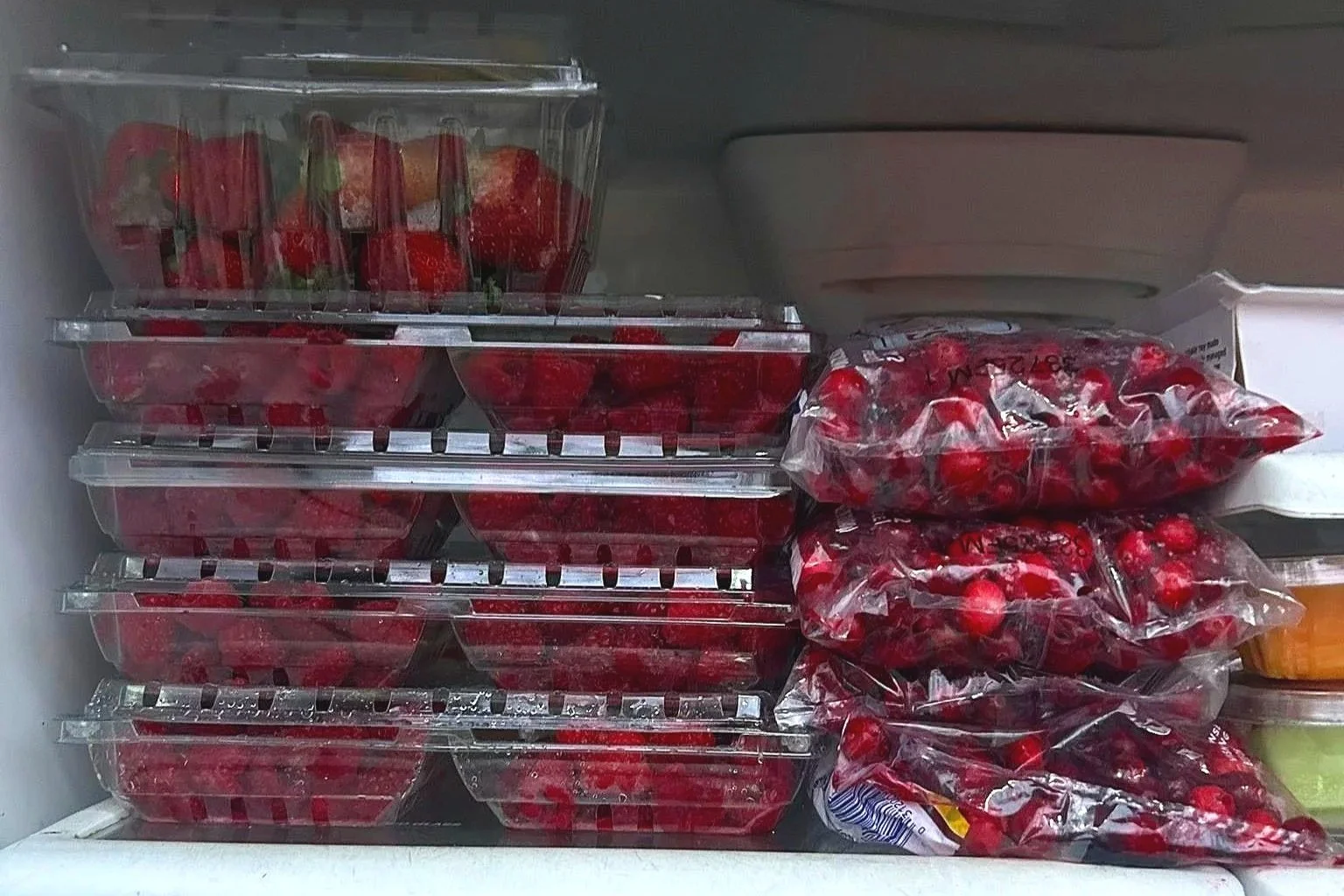
In the US alone, about 40% of all food grown goes to waste yearly due to factors like being left in the fields after harvest, blemished product, or excess. After that, another 183 billions pounds of food get thrown away in stores and restaurants annually because overbuying or sell-by dates that don’t accurately reflect freshness. (Source: Feeding America, 2026)
What is gleaning…
About 40 million Americans are at risk of going hungry at some point every year. Most of them are part of vulnerable populations, including children, the elderly, unhoused people, and veterans. Making redistributed food available to them combats what should be an easily solved problem.
and why is it important?
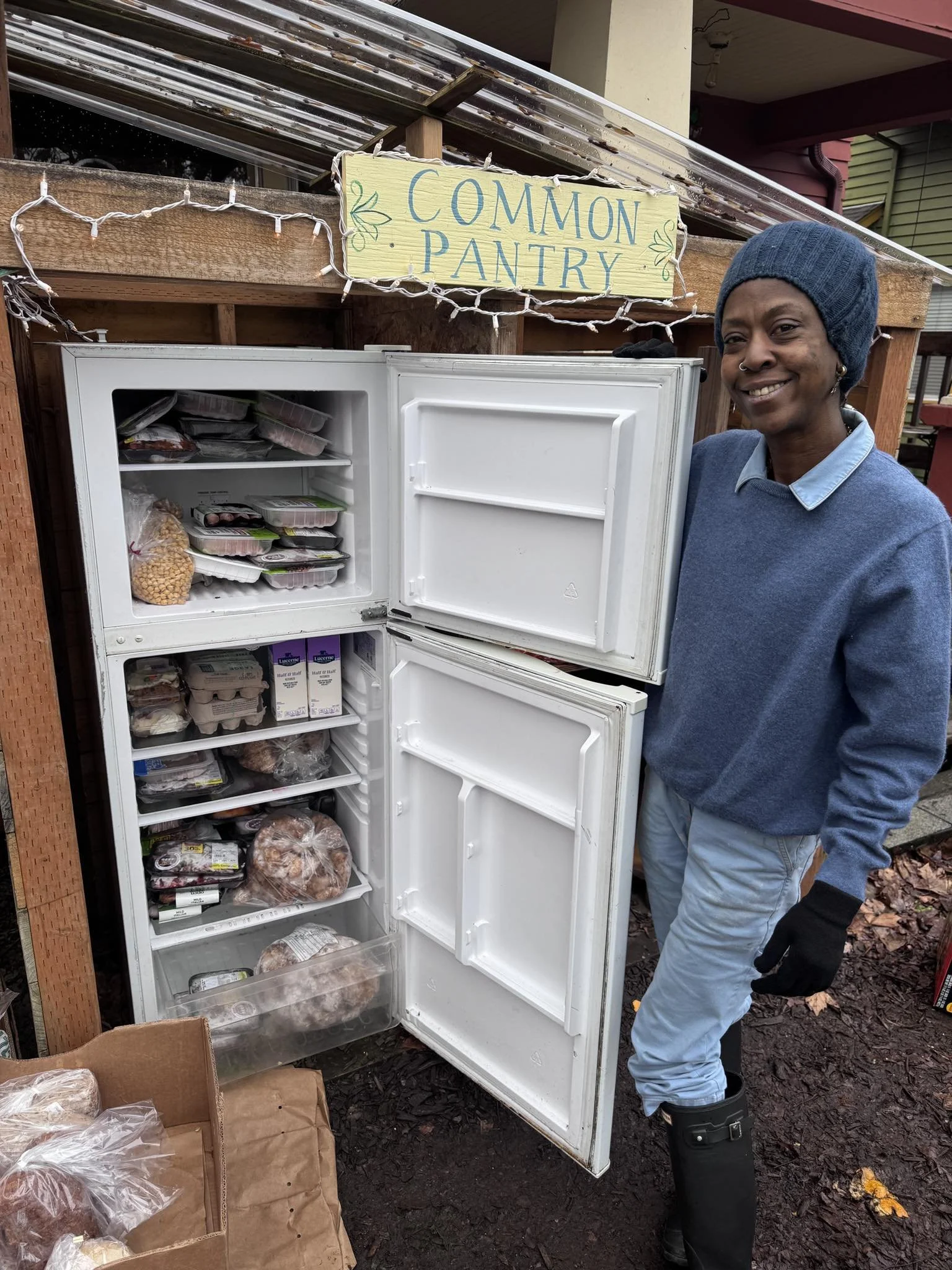
What do you mean when you talk about food as power?
Access to fresh and culturally sustaining food has long been used as a method of control in American culture. Whether it was moving Indigenous people from the places where they had cultivated and grown their own food for centuries or denying access to food as punishment to stolen and enslaved Africans, white supremacy has long used food as a tool for harm and subjugation.
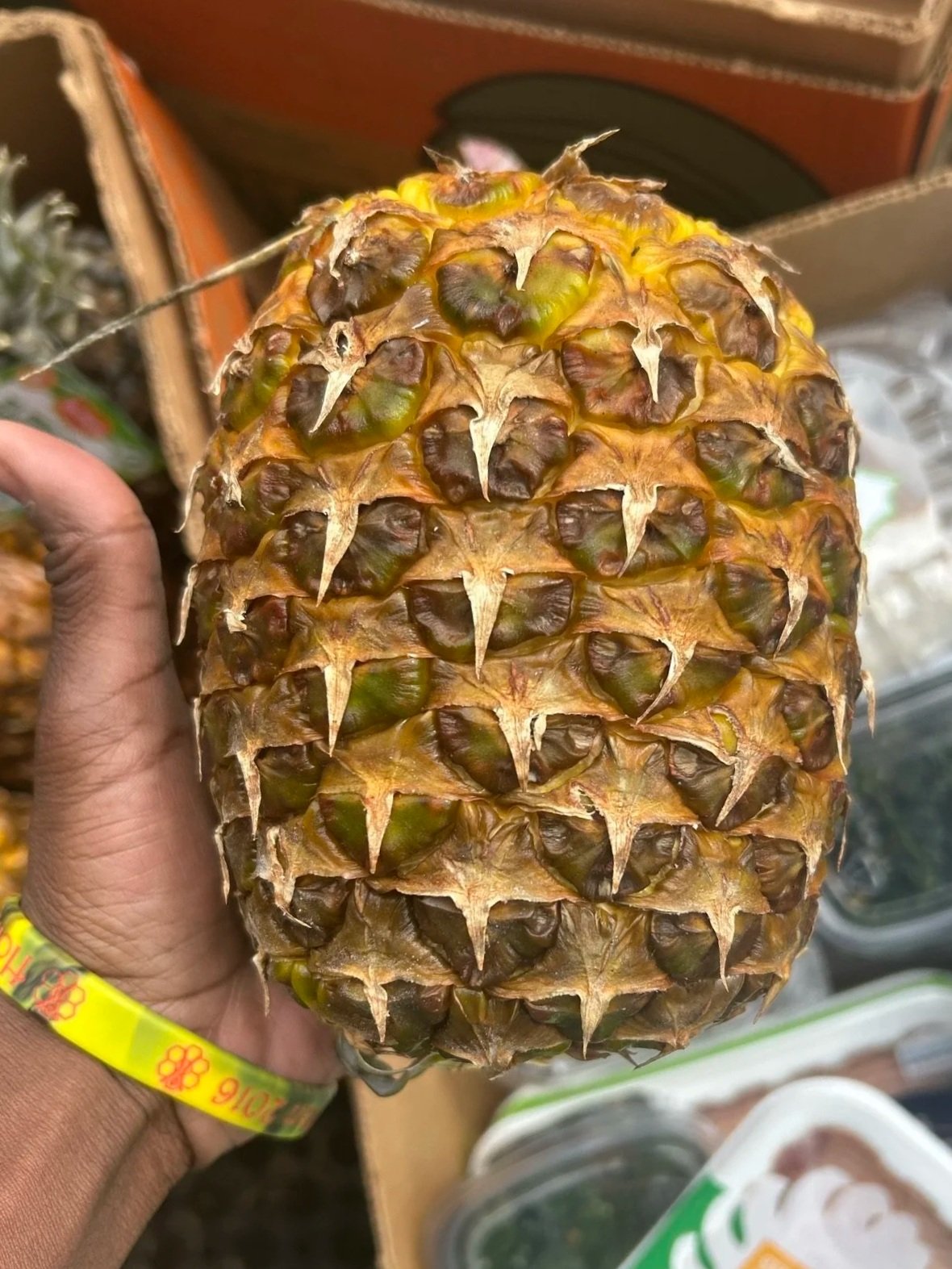
The practice of using food to control continues to this day. Folks who are already denied equity in our culture see this carried out in the denial of basic rights, one of which is access to healthy, fresh food. This can look like food deserts, which are frequently found in areas with large Black, Hispanic, Indigenous, and immigrant populations, throwing away perfectly good food as people go hungry, and denying low-income folks food that meets their dietary and cultural or religious needs.
But why does that matter now?
So when we reclaim and repurpose food from donors, we:
1. Feed people who are struggling
2. Save thousands of pounds of food a year
3. Take back some societal power by stopping the pipeline of food to waste while people go hungry
4. Have fun!